
If you’ve ever battled green water or stringy sludge in your pond, you’re not alone. Algae is a common headache — but nature has some powerful tricks up her sleeve. Certain pond plants don’t just look great — they actually suppress algae growth by absorbing nutrients, shading the water, or even releasing natural anti-algae compounds.
Here’s my quick guide to the best natural algae fighters — plants that work with your pond, not against it.
🔮 How Plants Help Control Algae
Algae thrives on light and nutrients. So, when you add plants that:
- Compete for those nutrients,
- Shade the pond surface, or
- Release mild natural inhibitors (allelopathy)…
…you create an environment where algae struggles to get a foothold.
✅ Kev-Approved Algae-Fighting Plants
🌿 Hornwort (Ceratophyllum demersum)
- Root Type: Floating (no roots)
- How it helps: Releases allelopathic compounds that suppress algae, and soaks up nutrients fast
- Bonus: Grows like mad, helps oxygenate water
- Caution: Can take over if not trimmed back
🌿 Watercress (Nasturtium officinale)
- Root Type: Shallow rooted (best in moving water)
- How it helps: Sucks up nutrients like a sponge
- Bonus: Edible and fast-growing
- Caution: Needs high oxygen or flow to thrive
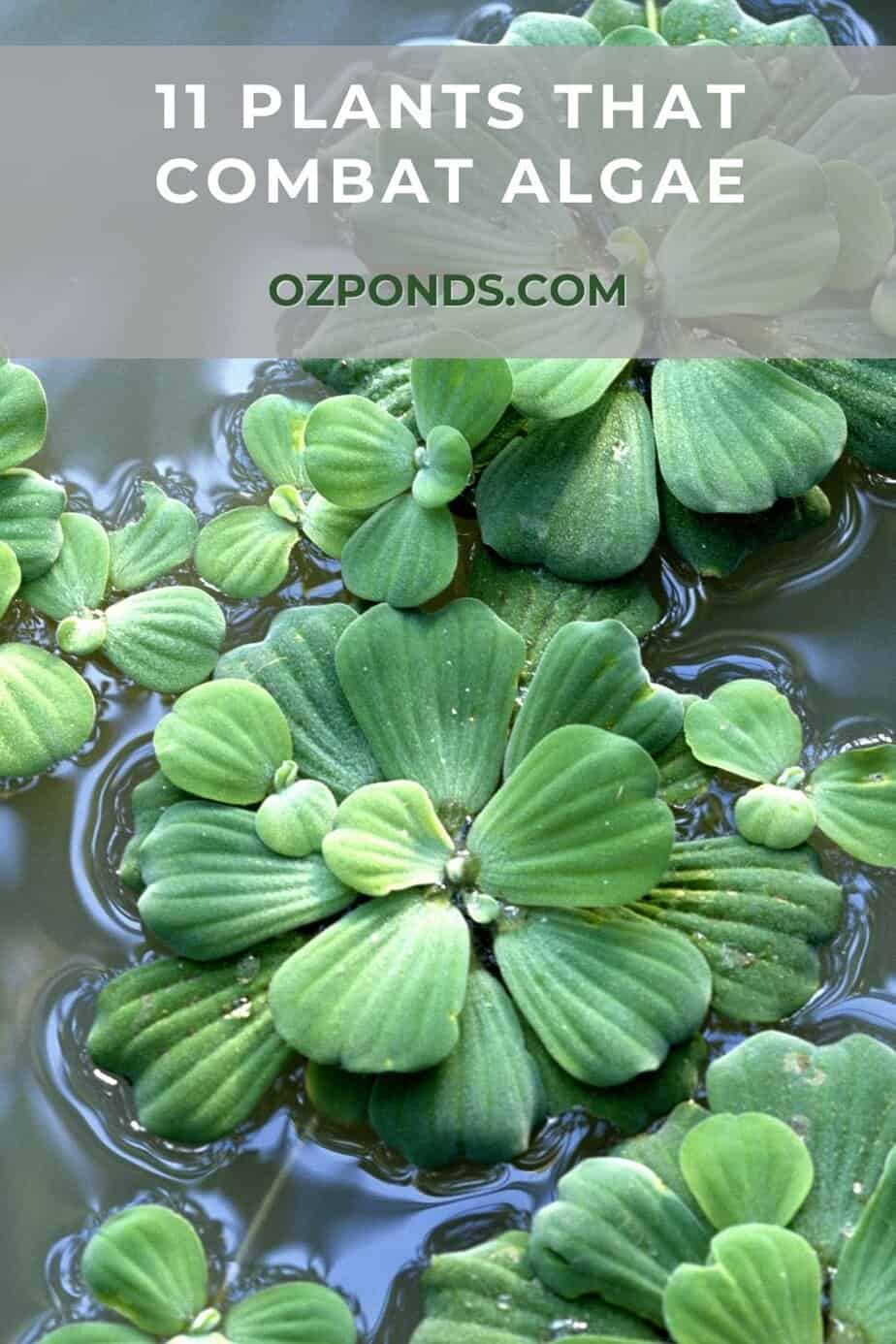
🌿 Water Lettuce (Pistia stratiotes)
- Root Type: Floating
- How it helps: Shades surface + pulls nutrients from the water
- Bonus: Easy to manage in tubs or small ponds
- Caution: Can block surface oxygen if overgrown
🌿 Duckweed (Lemna minor)
- Root Type: Floating
- How it helps: Dense coverage blocks light and soaks up excess nutrients
- Bonus: Great for fish tubs
- Caution: Can completely cover pond surface quickly
🌿 Milfoil (Myriophyllum aquaticum)
- Root Type: Rooted or floating
- How it helps: Provides surface shade and mild allelopathic suppression
- Bonus: Great texture and super easy to propagate
- Caution: Can get thick and overgrown in still water
🌿 Water Celery (Oenanthe javanica)
- Root Type: Shallow rooted
- How it helps: Nutrient uptake and surface shading
- Bonus: Edible and ideal for stream/bog setups
- Caution: Spreads rapidly with the right conditions
🌿 Elodea / Anacharis / Cabomba
- Root Type: Submerged rooted
- How it helps: Absorbs dissolved nutrients + oxygenates water
- Bonus: Great for underwater habitat
- Caution: Some species prefer cooler climates
🌿 Tassel Cord Rush (Baloskion tetraphyllum)
- Root Type: Shallow rooted (margins/bogs)
- How it helps: Strong nutrient uptake and helps trap solids in the bog
- Bonus: Great vertical contrast, soft texture
- Caution: Can go dormant in colder weather
🌿 Azolla (Azolla filiculoides)
- Root Type: Floating
- How it helps: Rapid nutrient uptake, forms dense mats that block sunlight
- Bonus: Fixes nitrogen naturally, great for native/wildlife ponds
- Caution: Spreads quickly and needs thinning
🌿 Native Nardoo (Marsilea drummondii)
- Root Type: Rooted (margins or shallow water)
- How it helps: Competes for nutrients and shades the substrate
- Bonus: Aussie native, unique fern-like look
- Caution: Likes still, shallow areas best
🌿 Floating Pondweed (Potamogeton spp.)
- Root Type: Rooted (some float with long stems)
- How it helps: Absorbs nutrients and adds mid-depth shade
- Bonus: Natural look, great for fish habitat
- Caution: Some species can spread fast in warm weather
💡 Pro Tips:
- Mix floating and rooted plants for best results.
- Keep some fast-growers like watercress or hornwort to help soak up nutrients quickly.
- If your pond’s in full sun, floating shade plants are your secret weapon.
- Don’t go overboard — balance is key. Too many floaters can smother oxygen exchange.
📹 Want to See Some of These Plants in Action?
💬 If you want to learn more about filtration or designing the perfect low maintenance pond check out my formulas blueprint.
Design Your Pond Using The Same System I Use
- A simple system that has helped people around the world design clear, low-maintenance ponds without spending a fortune.
- Includes access to the Private Ozponds community and Virtual Kev, a tool that helps you plan your pond step-by-step.
About to build a pond… or already have one?
Sign up for my email list and I’ll send you DIY-friendly pond tips, along with a few helpful tools like calculators, gear recommendations, and more.