These are some of the treatments I use from time to time in my ponds. What you use depends on what your issues are.
Beneficial bacteria
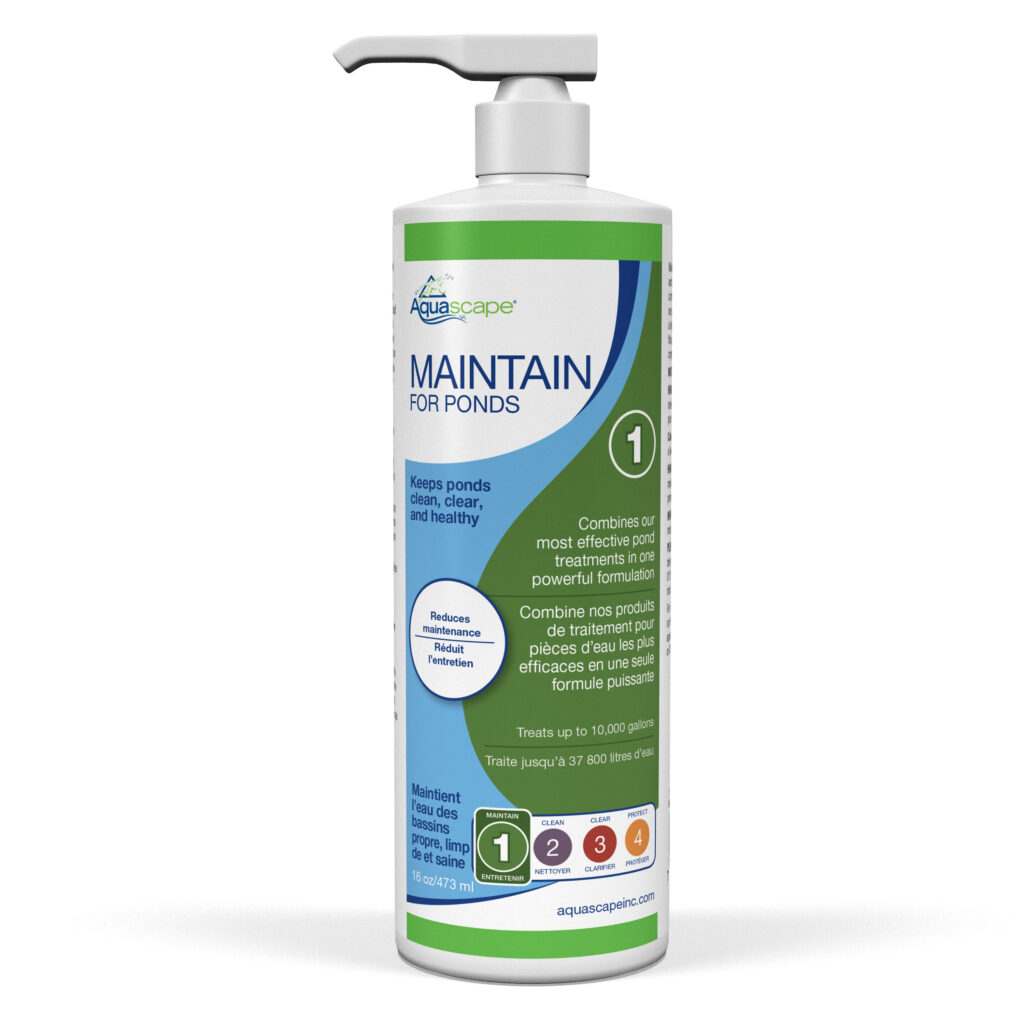
I’ve tried quite a few types of bacteria for ponds and I think my favourite is Aquascape maintain.
It contains bacteria, a phosphate binder, water conditioner and clarifier (flocculent). For that reason it’s just a good all rounder.
Pond flocculent
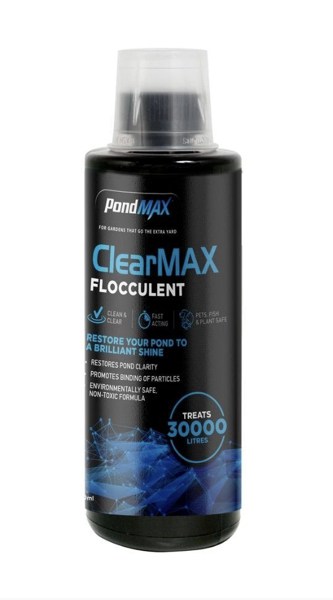
- Will Clear up muddy water
- Helps single celled algae clump together so it can be collected by the filter
- Fish and plant safe

Phosphate binders
Phosphate binders help lower phosphate levels in pond water by binding excess nutrients that contribute to algae growth.
Diatomix & Nualgi
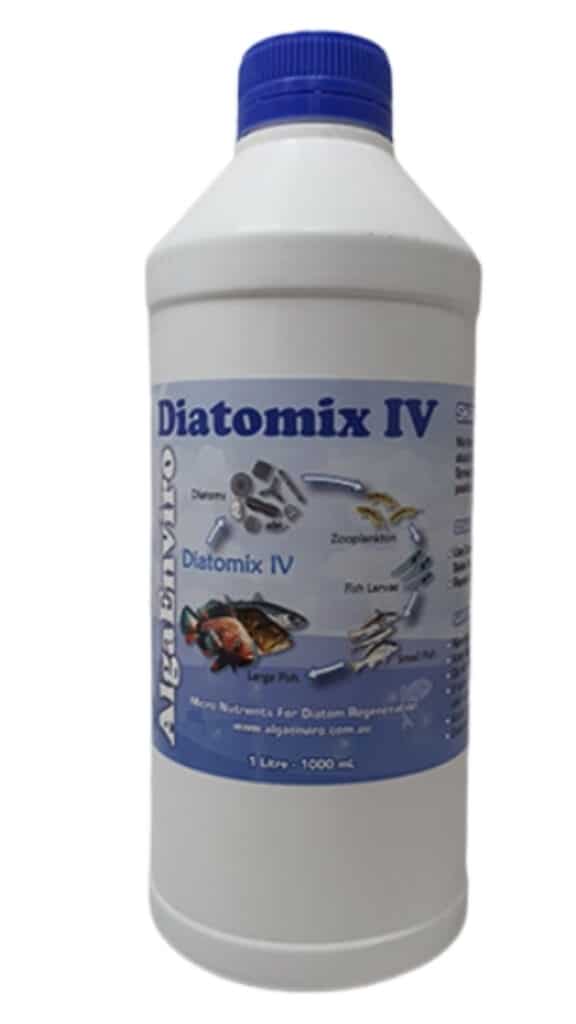
Both these product encourage the growth of diatoms. These are a type of algae that form the base of any aquatic food chain.
By promoting diatoms nutrient that would be otherwise available for problem algae is moved up the food chain and provides a fantastic food source for your fish.
If purchasing diatomix use code: ozponds for free shipping.
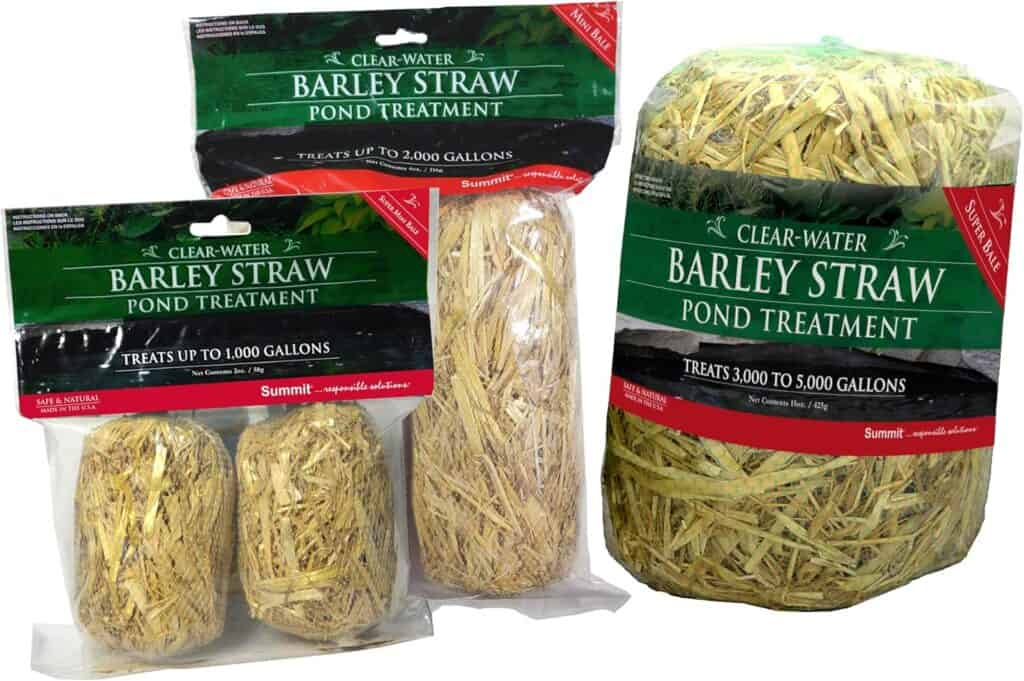
Barley Straw
A natural remedy algae remedy.
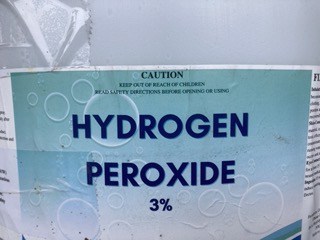
Hydrogen Peroxide
Hydrogen Peroxide is a great way to combat very stubborn algae.
A good starting dose is 1/2 cup (125mL) of 3% hydrogen peroxide per 100 Gallons (400 Litres) of pond water.
You can also buy hydrogen peroxide is stronger mixes, this can be more economical if you require a lot.
Remember all ponds are different start small and find what works for your situation.

Sodium Percarbonate
Sodium percarbonate is another oxidiser. It works very much like hydrogen peroxide but comes in a powdered form.
I find it useful to use on stubborn algae on streams and waterfalls, or lifting muck off the bottom of the pond.

Calcium Carbonate
Calcium carbonate is useful in that it adds buffering to the pond.
This helps the pond maintain a stable pH.