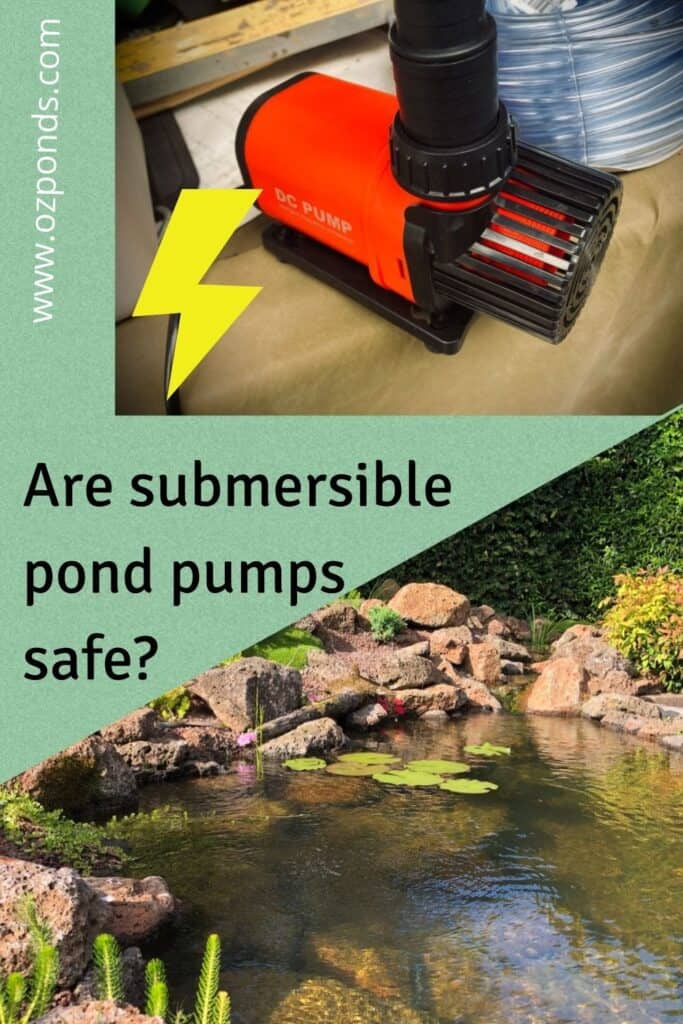
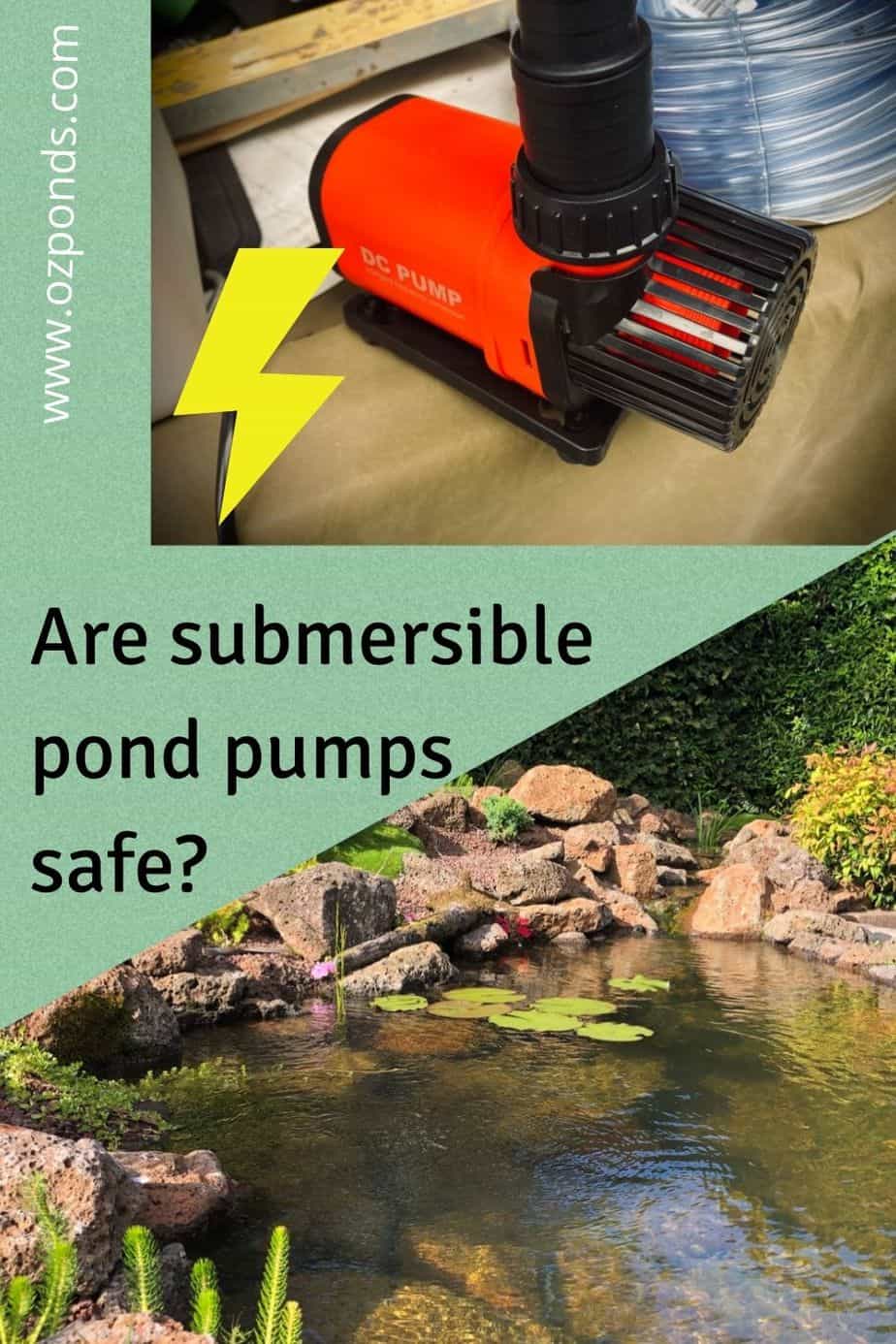
Submersible pond pumps are designed specifically to be fully submerged in water.
These days the vast majority of submersible pond pumps have an epoxy resin poured over all the electrical wires and connections.
This keeps all the dangerous components completely isolated from the water, therefore making submersible pond pumps very safe.
All electrical devices including pond pumps should be connected to RCD (Residual-Current-Device) or GFCI (Ground -fault- circuit- interrupter) switch.
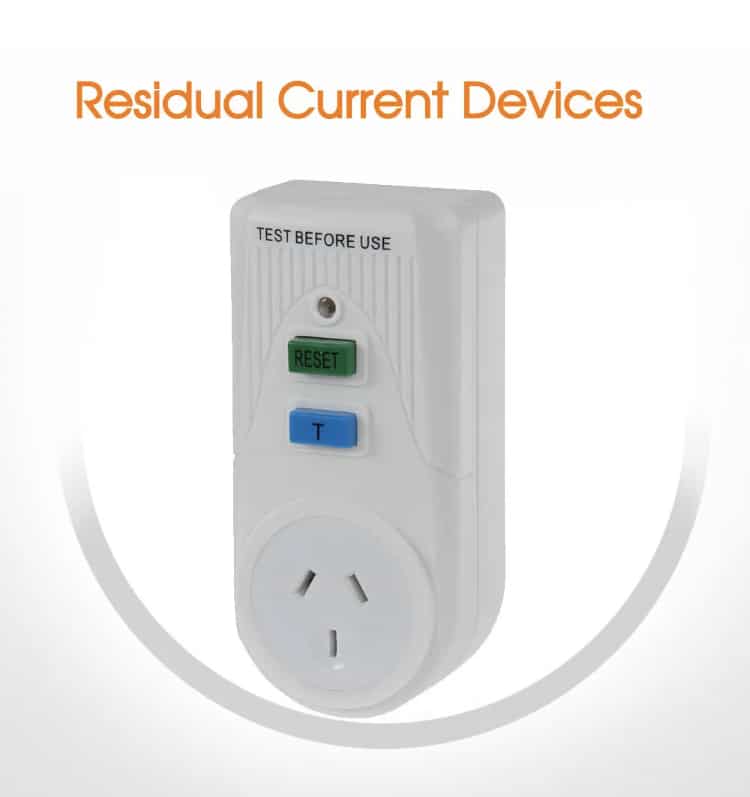
This will immediately cut the power should there be a fault or surge of power from the appliance.
If you are unsure if your house has safety switches you can always add one of these to the socket where your submersible pump is connected.
You should always buy submersible pond pounds from reputable suppliers. Make sure that the pond pump meets the required safety standards of your jurisdiction.
Submersible pond pump safety tips.
- Always turn the pump off at the socket before doing any maintenance work.
- Never lift or move the pump by the cord.
- Ensure the pump is plugged into a socket connected to a RCD (Residual-Current-Device) or GFCI (Ground -fault- circuit- interrupter) outlet.
Can a pond pump electrocute fish?
While possible it is highly unlikely for a pond pump to electrocute your fish.
Firstly as I’ve mentioned all the electrical components of the pump are covered in an epoxy resin which isolates the electrical components from the water.
Secondly the fish aren’t grounded so the current can pass through them without causing damage.
Thirdly the moment there is a fault the RCD or GFCI switch will trip shutting down power to the pump.
What to do if you get an electric shock from your pond
I’ve heard stories of people getting a slight electric shock from their pond. This is very alarming.
If you receive a shock something is very wrong either with the pump or the wiring of the house.
It is not unheard of for a pond pump or underwater lights to become faulty.
But the moment there is a fault the RCD or GFCI should be tripped, instantly shutting off power to the pump.
If you receive a tingle or shock this isn’t the case and the socket and wiring need to be inspected by a licensed electrician ASAP.
If the pump repeatedly trips the safety switch it’s time for a new pump as somehow water is making contact with the electrical connections.
Alternatives to submersible pumps for ponds
Some people feel more comfortable keeping all electrical equipment out of the water. In that case, one alternative is to use an air pump to move water through a biological filter and help keep the water clean and healthy.
Air pumps use small air compressors that can be positioned well away from the pond and connected with tubing, so there’s no electrical equipment near the water surface.
One of my aeration setups is positioned about 7 m (23 ft) from the pond with air delivered through hose. The downside is that air-powered systems aren’t effective at pumping water to height, so they’re not great for streams or waterfalls.
For most ponds, submersible pumps are safe when the pump is designed for use in water, installed as per manufacturer instructions, and connected to a socket protected by a safety switch (RCD/GFCI).
If longer cable runs or electrical modifications are needed, those should be done using manufacturer-approved components and/or by a licensed electrician in accordance with local regulations. This ensures compliance with electrical safety requirements and protects you and your pond environment.
Subscribe
Hopefully this article has been helpful.
I often receive special offers and discounts from pond suppliers and distributors. These special offers I share with my readers.
If you would like to receive these special offers and discounts make sure you subscribe to the mailing list, so I can deliver them direct to your inbox.